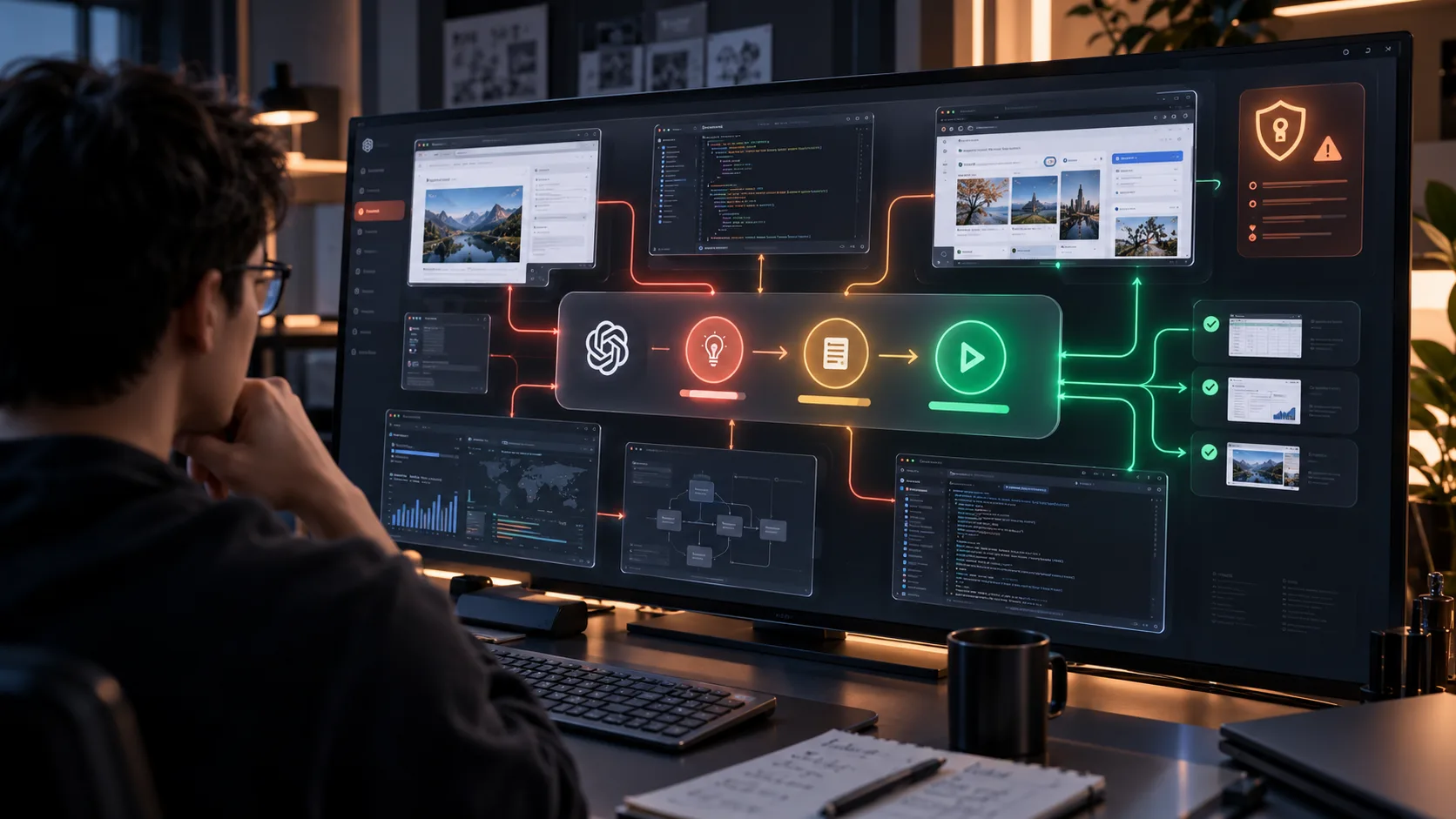
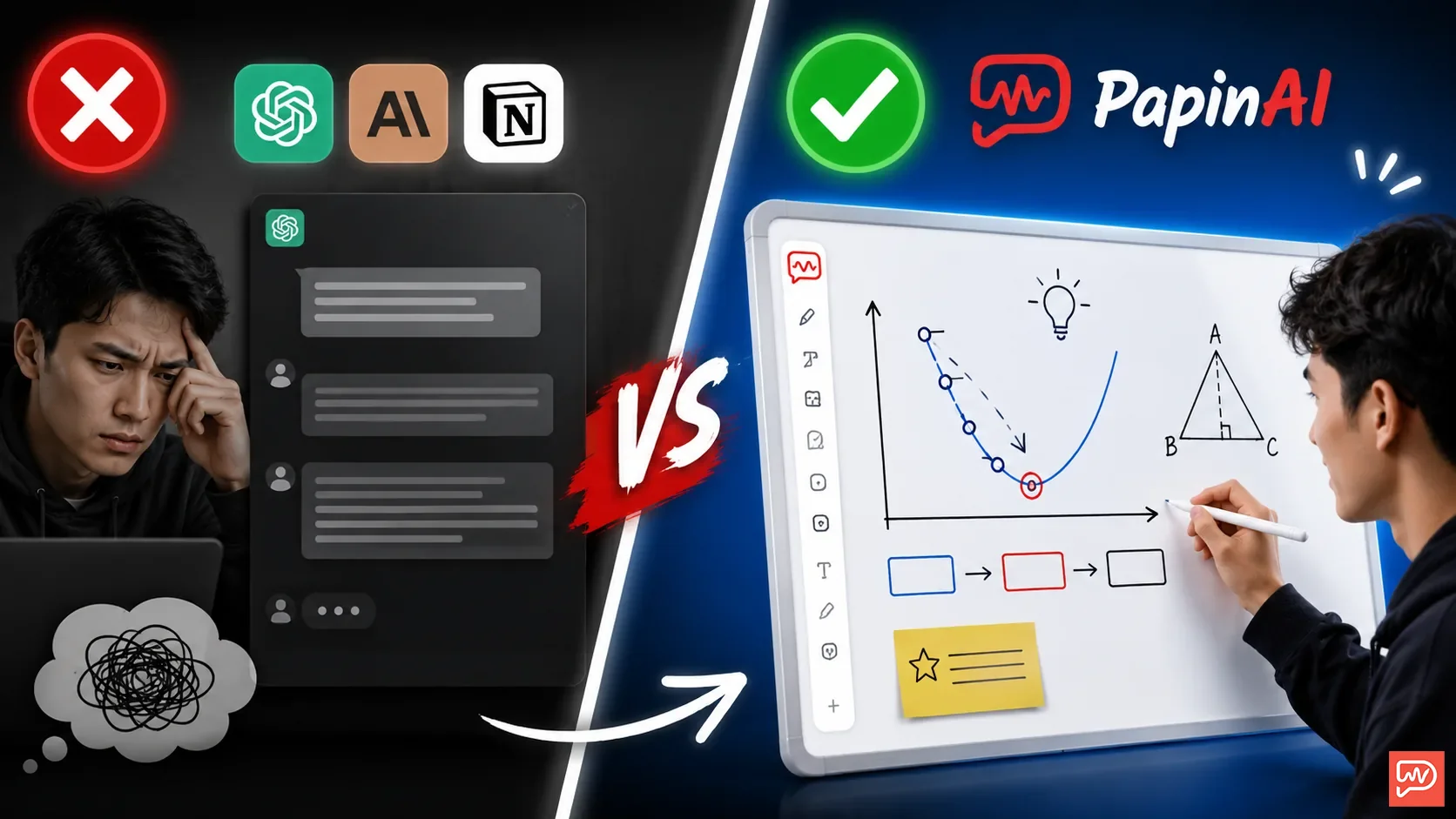
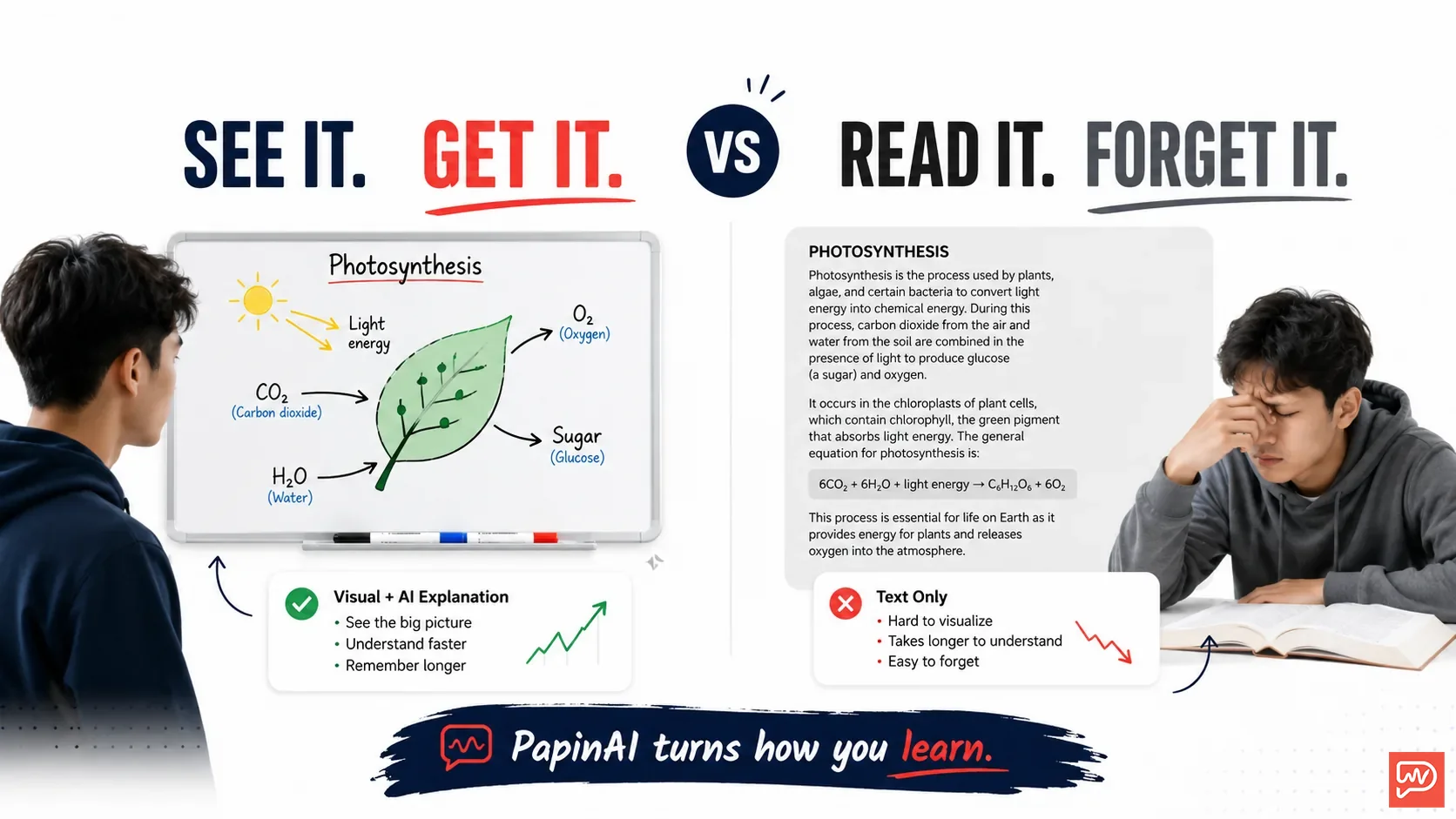
OpenAI just rolled out interactive diagrams and dynamic UI widgets inside ChatGPT. Tech pundits are celebrating the end of plain text. But handing students a finished, clickable widget is still the same old illusion: spectator mode with buttons. Here is why true visual comprehension requires an AI holding a marker, not an AI dumping a dashboard.
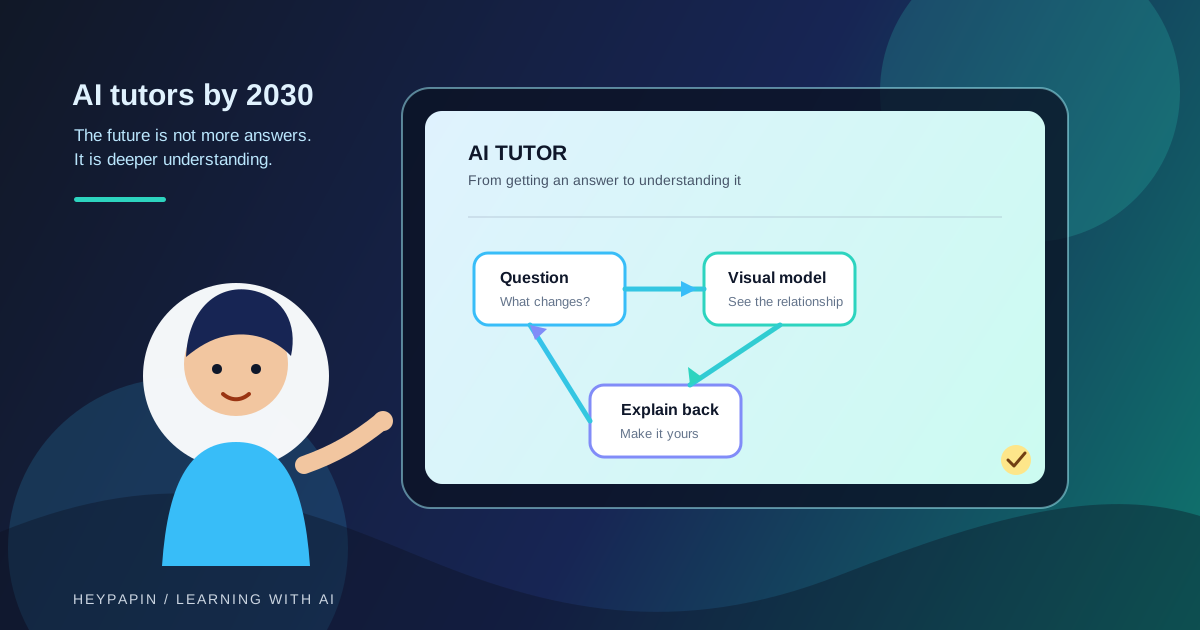
Anthropic's education research suggests AI will become an everyday academic companion. The harder question is whether future tutors will help students think—or simply finish the work for them.
With Devin crossing a $1B ARR run rate and xAI deploying Grok 4.7's stamina-driven autonomous bots across enterprise pipelines, the era of conversational chatbots has ended. But as machines become capable of building entire software systems in silent, multi-hour loops, a new cognitive crisis has emerged: what happens to human engineers when AI can execute everything, but teaches nothing?
95% of students now use generative AI, and 94% use it for assessed work. The number that decides what they get out of it is not in the survey — it is whether they ever see the flow.
When an AI sketches a flawless architecture diagram before your eyes, your brain mistakes visual clarity for personal mastery. Cognitive science calls this the illusion of competence. Here is why spectator-mode AI harms deep learning, and what actually creates lasting neural retention on a whiteboard.
Papin is a whiteboard you draw on yourself, and a tutor that continues your drawing — or lets you modify its own sketches and picks right back up from your changes. That is one sentence, and every word of it can be verified on screen in thirty seconds.
Everyone is connecting LLMs to Excalidraw to generate diagrams in two seconds. But watching an AI draw a finished architecture chart doesn't teach you how it works. Here is why the future of visual learning requires a living, shared session.
OpenAI's GPT-6 Astra shocked the tech industry by autonomously sketching system architectures on whiteboards. But when an AI does all the drawing and thinking for you, you don't become smarter — you become a spectator. Here is why education requires kinetic co-creation, not automation.
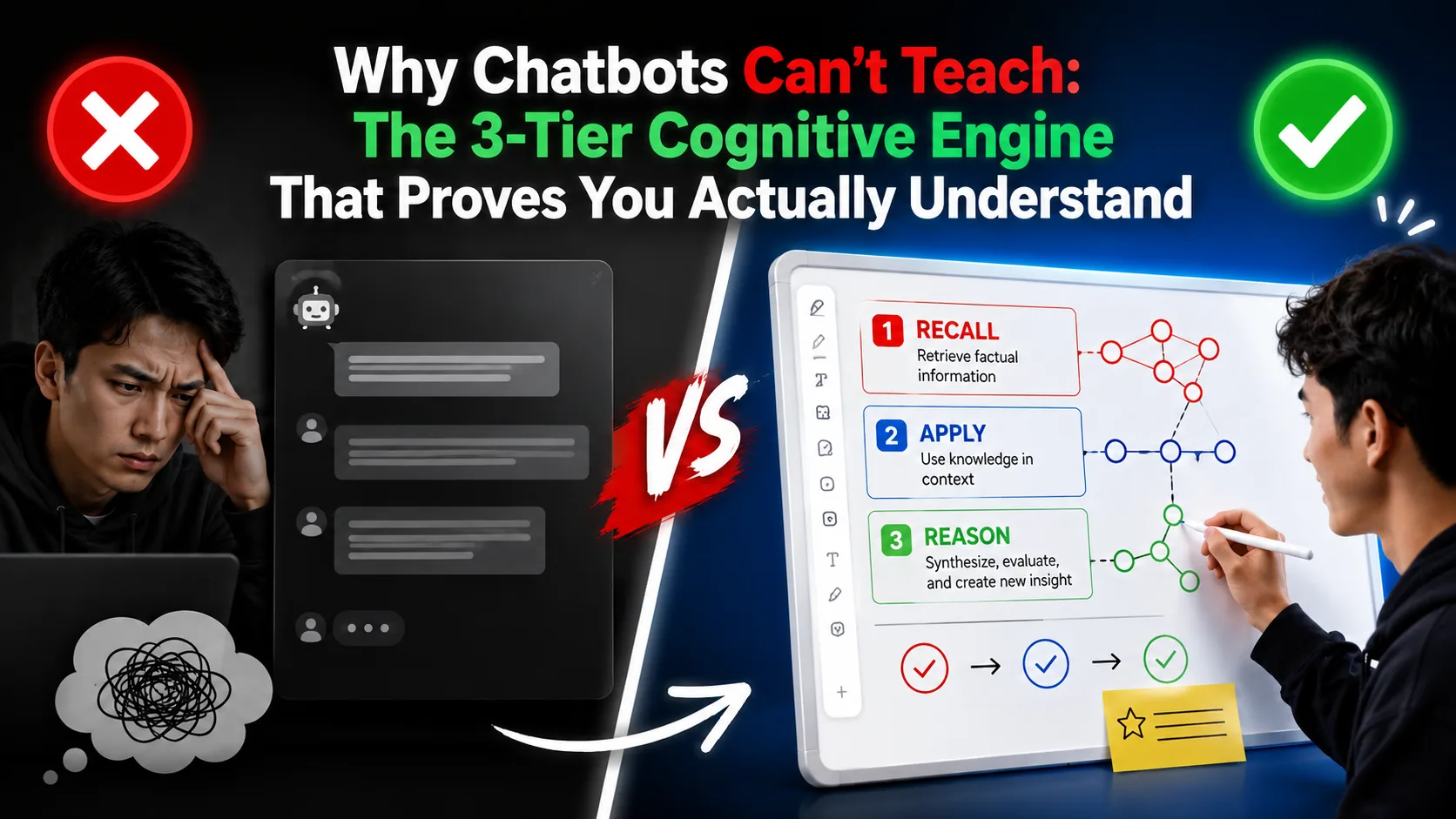
Reading a chatbot's answer creates the illusion of competence — you feel like you understand, but forget 80% by exam day. Here is how HeyPapin's new 3-tier Socratic progression replaces passive chat with verifiable cognitive mastery.
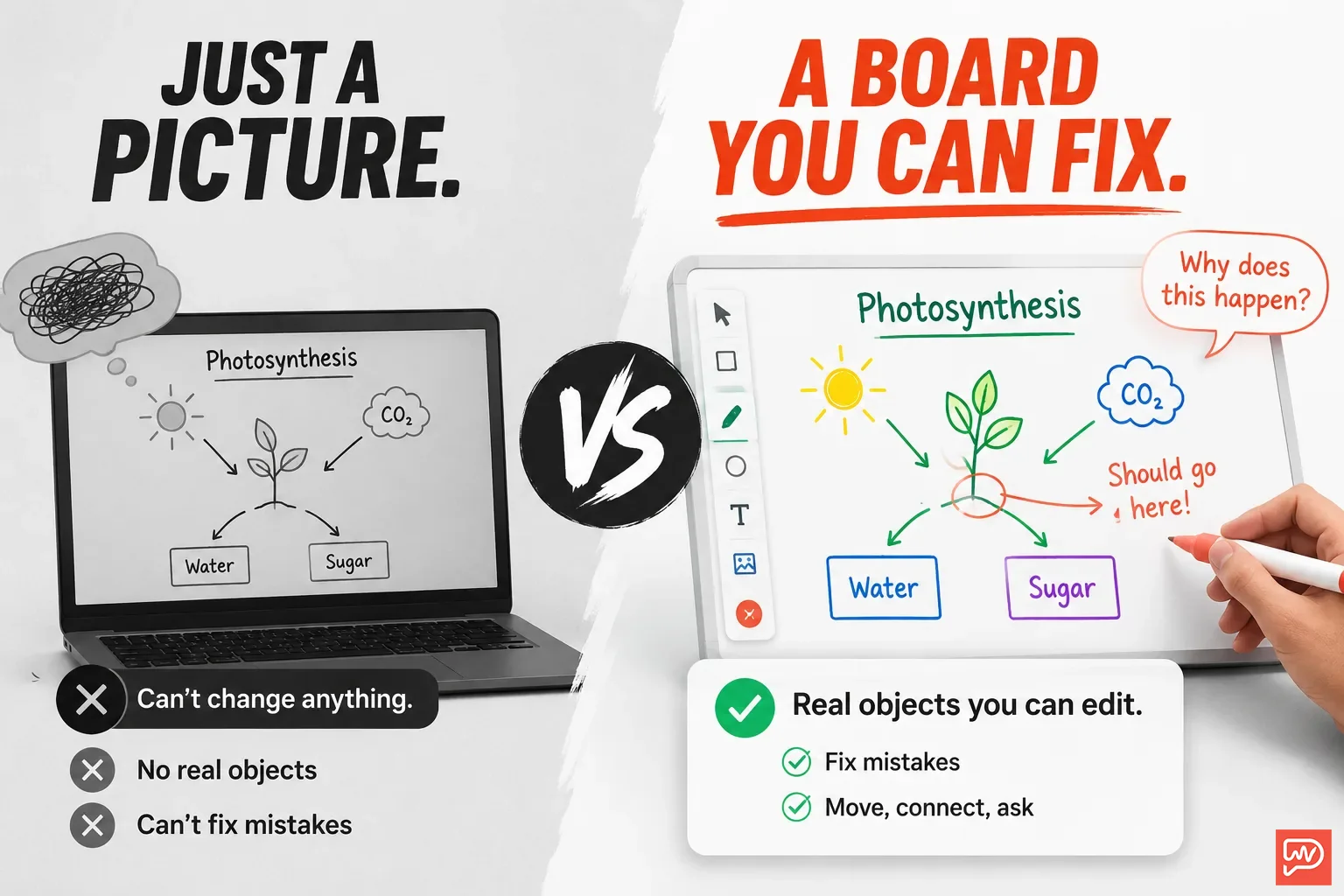
Most tutors that draw produce a picture: finished, unnamed, untouchable. Ours produces a list of objects. Here is what that made possible this month — arrows that stay attached, wrong connections you can fix by hand, and 138 things it can draw instead of writing a label.
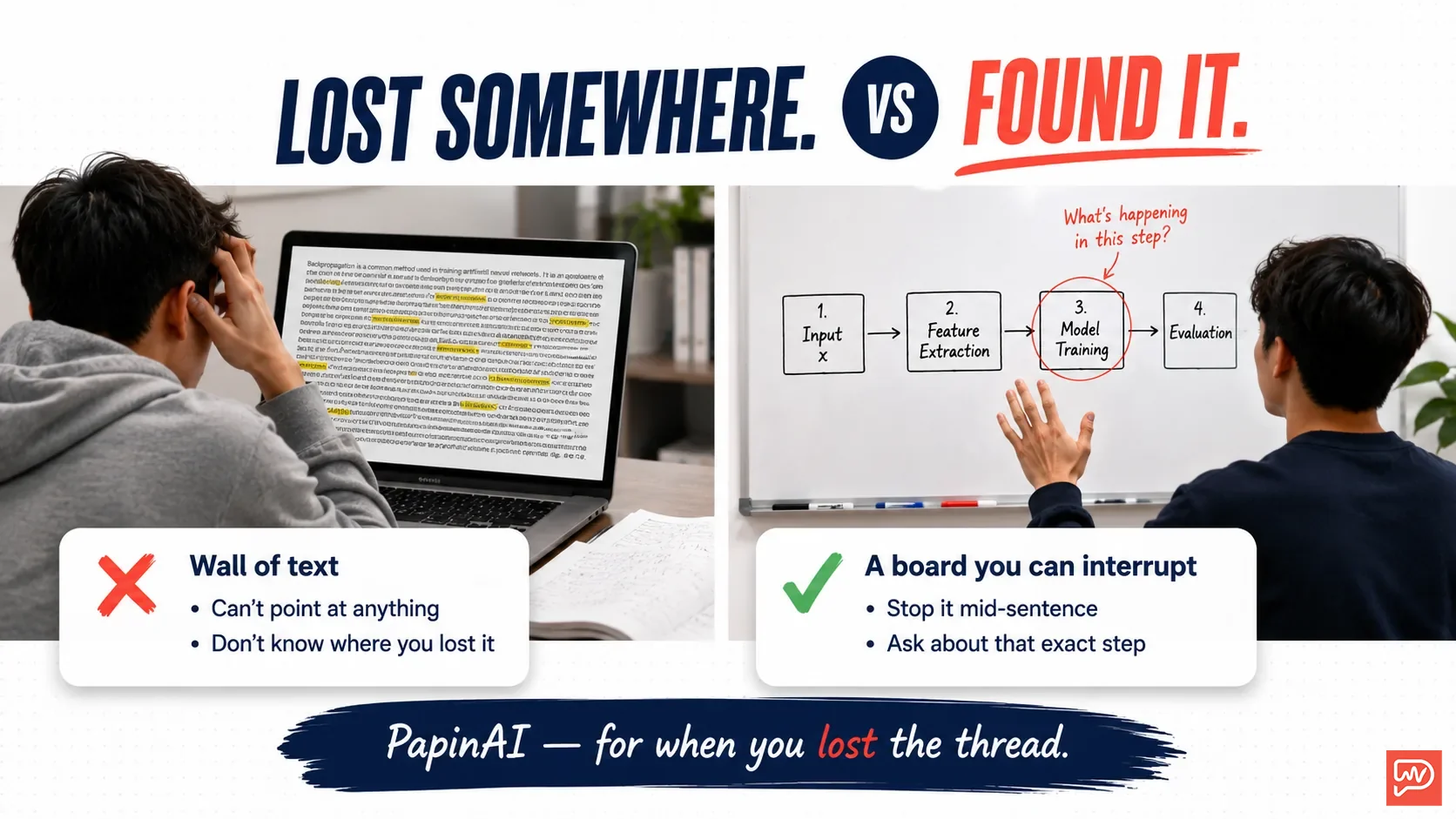
It is built for one moment: a subject stopped making sense somewhere and you cannot find where. Here is that moment, what you get, and the cases where another tool is the better use of your evening.
Khanmigo is text-only. Eight alternatives compared side by side — Studdy, Synthesis, Snorkl, CereBRO, Gemini Live, Professo, Napkin, and ours — plus the four-minute test that settles it.
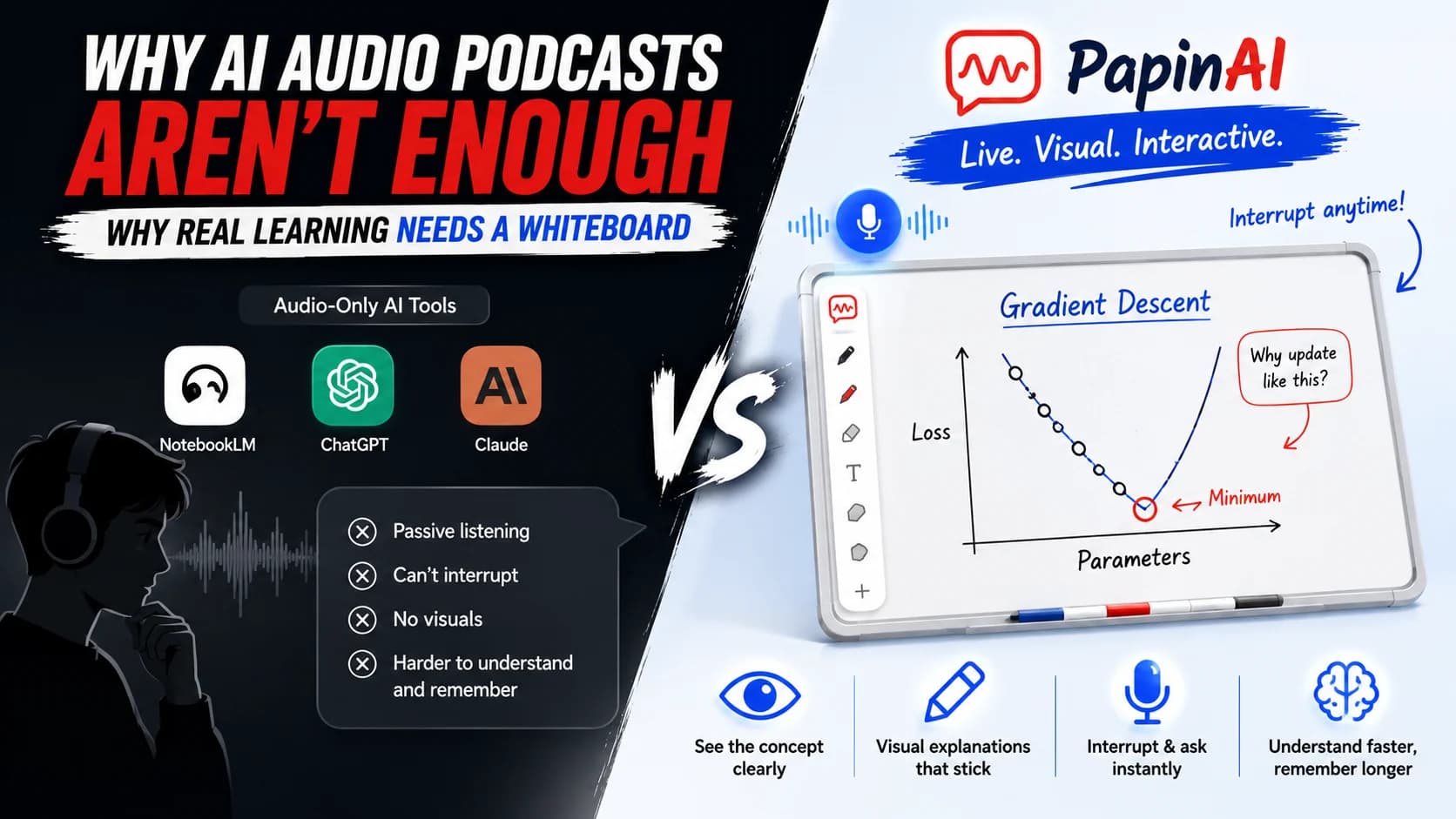
AI podcasts sound impressive, but audio alone gives your working memory nothing to hold on to. Here is why a diagram that builds while someone talks — and lets you interrupt it — changes how we learn hard topics.
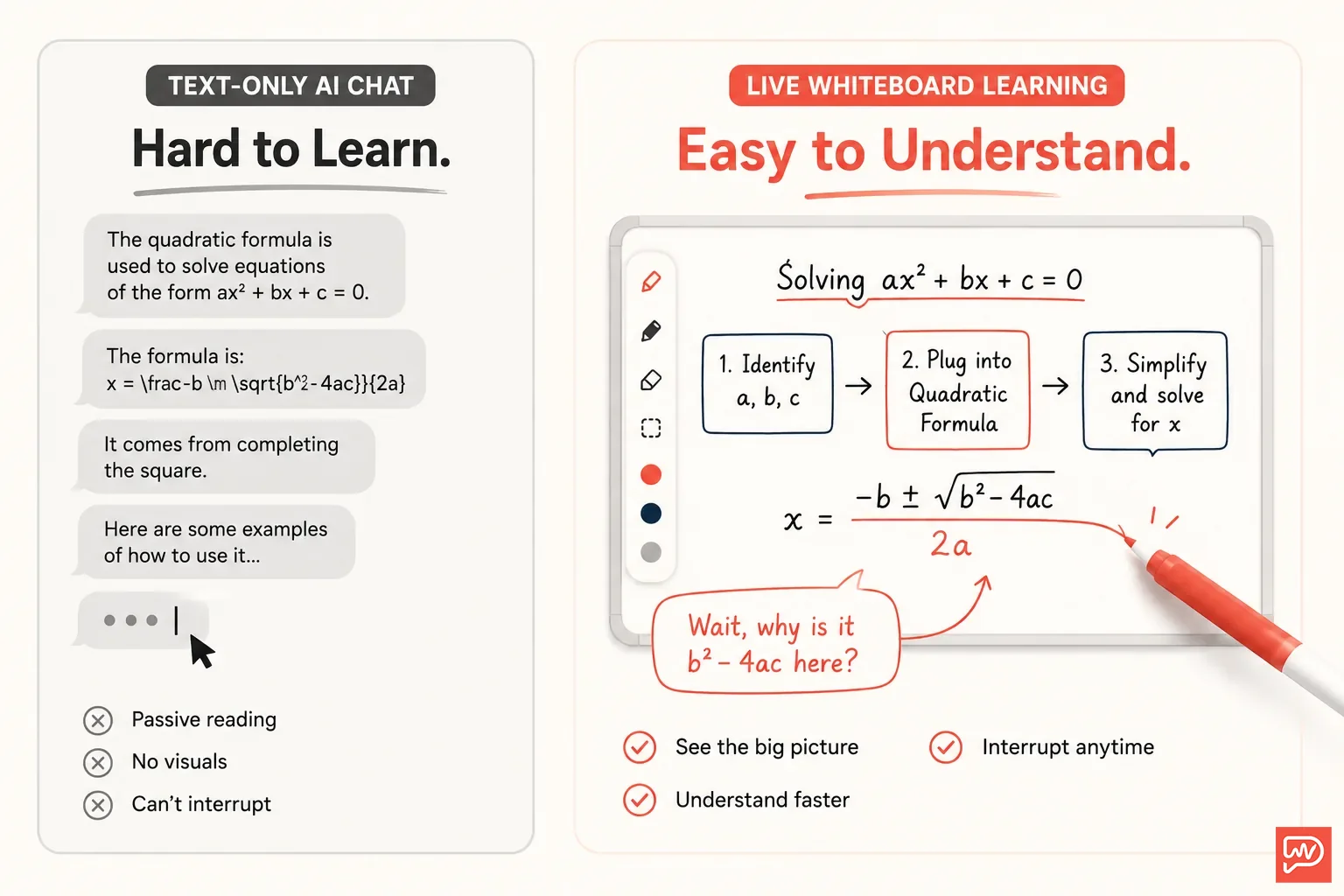
They answer in a scrolling wall of text. This one draws while it talks, and you can cut in mid-drawing. An honest comparison — including everything the big three do better.